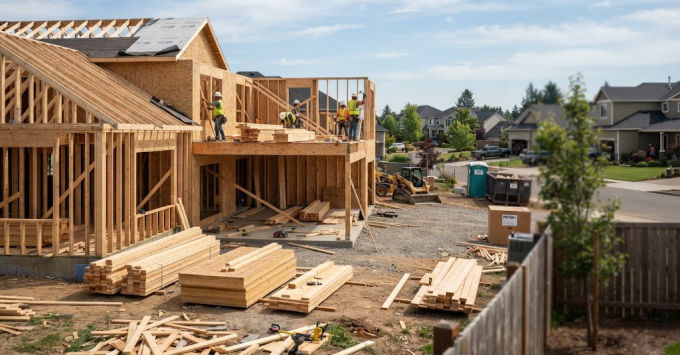
When you buy Homeowners Insurance, one of the most important numbers on the policy is the dwelling limit. This is the amount of coverage set aside to repair or rebuild your home after a covered loss.
But the cost of rebuilding a home can change over time. Inflation, higher prices for building materials, increased labor costs, and a shortage of available contractors can all raise the cost of construction. In some cases, these increases can happen faster than a homeowner’s insurance coverage is adjusted.
What happens if the cost to rebuild your home is higher than the dwelling limit on your policy?
That is where Extended Replacement Cost coverage may help. It can provide an additional amount above the dwelling limit when rebuilding costs exceed the amount shown on the policy.
The National Association of Insurance Commissioners (NAIC) defines Extended Replacement Cost Value coverage this way: It “provides coverage above the dwelling limits in your policy” up to a stated percentage or dollar amount.
Why Rebuilding Costs Can Change
The cost to rebuild a home is not the same as its market value. Replacement cost is based on what it may cost to rebuild the home using materials of similar kind and quality.
Construction costs can change over time. A major storm, wildfire, or other disaster can also create a sudden increase in demand for building materials and contractors.
For example, imagine your Homeowners Insurance policy has a $400,000 dwelling limit. If the cost to rebuild after a covered loss comes to $450,000, you could have a $50,000 gap if your policy does not provide additional replacement cost coverage.
The Insurance Information Institute says Extended Replacement Cost coverage generally provides an additional 20% to 25% above the policy limit, although the amount can vary by insurer.
How Extended Replacement Cost Works
Extended Replacement Cost is generally designed to provide a cushion when rebuilding costs are higher than expected.
For example, suppose you have:
- $400,000 dwelling coverage
- 25% Extended Replacement Cost
- A covered loss that requires rebuilding
- A final rebuilding cost of $475,000
A 25% extension would provide up to another $100,000 above the $400,000 dwelling limit, subject to the terms and conditions of the policy.
That does not mean every rebuilding expense automatically qualifies. The loss must be covered, and the policy’s other terms, conditions, and limits still apply.
The amount of extra coverage also varies. For example, some companies state that its Extended Replacement Cost option can provide up to 25% above the policy limit.
Extended Replacement Cost Is Not Guaranteed Replacement Cost
These two terms sound similar, but they can work differently.
Extended Replacement Cost generally provides a stated percentage or dollar amount above the dwelling limit.
Guaranteed Replacement Cost can provide broader protection. The NAIC explains that Guaranteed Replacement Cost “pays the full cost to repair or replace” a damaged or destroyed home for a covered peril, even when the cost exceeds the policy limit. The policy may still have conditions or limitations.
Not every insurance company offers either option, and availability can depend on the state, the home, and the insurance company.
Is Extended Replacement Cost Right for Your Home?
It may be worth asking, especially if construction costs in your area have increased or if you are concerned the estimated rebuild cost could be too low.
When reviewing your Homeowners Insurance, consider asking:
- What is my current estimated replacement cost?
- Does my policy include Extended Replacement Cost?
- If so, how much additional coverage is provided?
- Are there specific conditions or limits on the extra coverage?
- Would Guaranteed Replacement Cost be available for my home?
The NAIC recommends reviewing dwelling coverage from time to time because the cost of replacing a home can change.
Check Your Policy Before You Need It
It is easy to assume that a dwelling limit automatically keeps pace with construction costs. That may not be the case.
If you are not sure whether your Homeowners Insurance includes Extended Replacement Cost, check your policy or ask your insurance agent. A quick review now may help you better understand the protection you have if you ever need to rebuild your home after a covered loss.


